American Society of Safety Professionals (ASSP)
How disability-informed experience design helped safety and ergonomics leaders translate inclusive design into real-world practice and expanded influence across the ergonomics field.
American Society of Safety Professionals × The Resource Key
Focus: Inclusive experience design, practitioner adoption, and ecosystem influence across occupational safety and ergonomics
Background
The American Society of Safety Professionals (ASSP) represents more than 36,000 safety professionals who lead, manage, supervise, research, and consult on occupational safety and health across every major industry.
As workplaces increasingly focus on ergonomics, safety leaders were well-positioned to influence inclusion, but many lacked clear, disability-informed frameworks for how inclusive design translates into everyday safety practice.
ASSP partnered with The Resource Key to bridge this gap, connecting disability insight to the lived realities of safety professionals responsible for designing, evaluating, and improving workplace environments.
The Challenge
Safety and ergonomics professionals understood the importance of accessibility and inclusion, but faced persistent barriers:
- Inclusive design was often framed as theoretical, not operational
- Disability insight rarely showed up in ergonomics decision-making
- Practitioners lacked clear examples of how inclusion improves safety outcomes
- Existing guidance did not speak the language of safety leadership and risk management
The challenge was not awareness, it was translation into practice.
Our Approach
Inclusive Experience Design for Safety Professionals
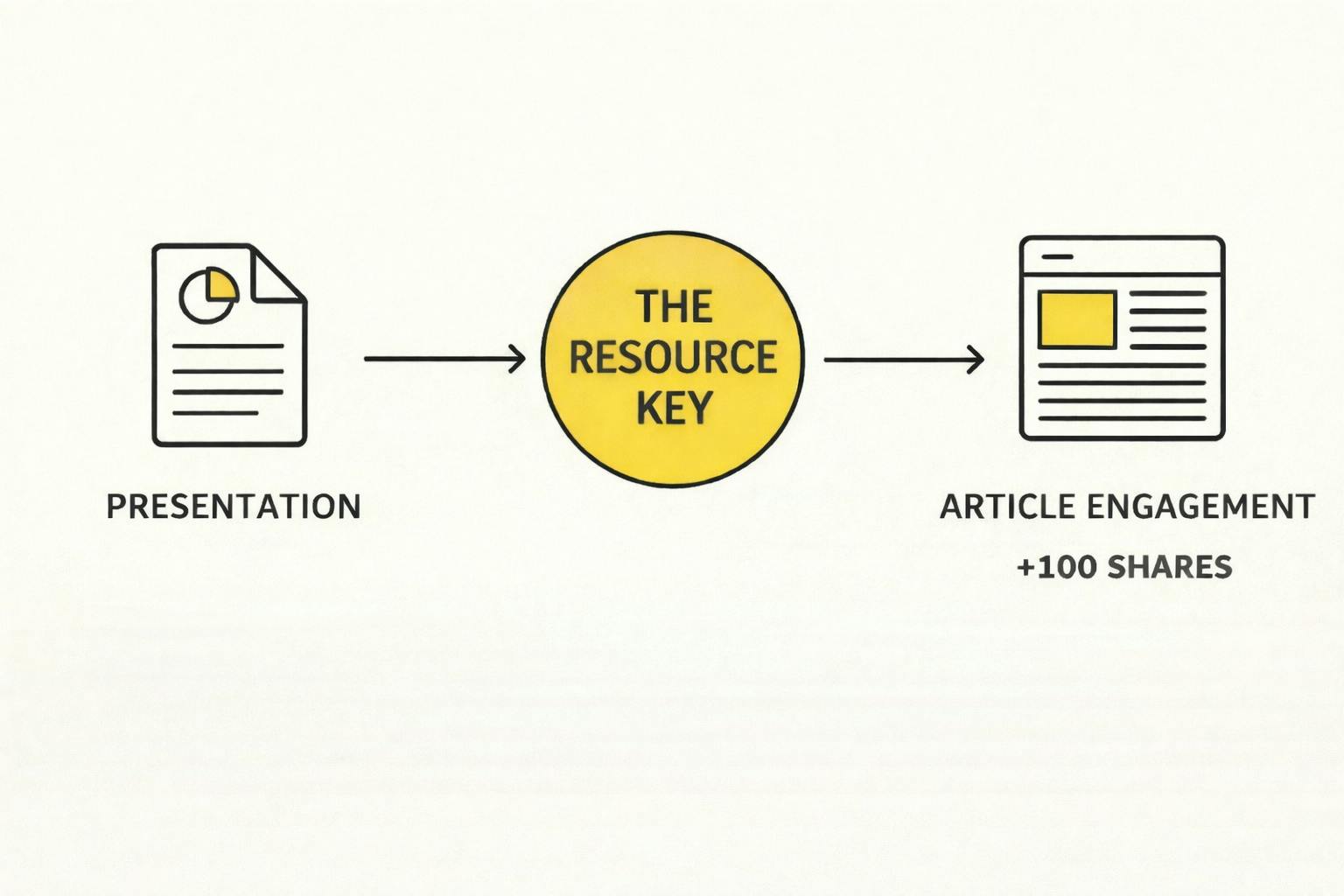
The Resource Key delivered a presentation to ASSP members that connected disability, ergonomics, and universal design through a human-centered lens, showing how inclusive design improves safety, usability, and long-term workforce sustainability.
Rather than positioning inclusion as an add-on, the work framed it as a core safety and design advantage aligned with how safety professionals already think and operate.
Practitioner Adoption Through Trusted Channels
Following the presentation, ASSP transformed the insights into a practitioner-facing article:
Inclusive Design: How to Make an Impact For People With Disabilities
The article translated disability-informed design principles into clear, actionable guidance for safety and ergonomics professionals, meeting practitioners where they already learn and lead.
Ecosystem Influence Beyond the Initial Engagement
The article’s reach extended beyond ASSP. After encountering the work, a leader in the ergonomics field, an Innovation Initiative Leader at the MICHELIN Innovation Lab and past president of the Applied Ergonomics Society, invited Jourdan Saunders (CEO of The Resource Key) to contribute to a forthcoming book on inclusion in ergonomics.
This marked a shift from content engagement to field-level influence, embedding disability insight into how ergonomics leadership educates and evolves the profession.
What We Delivered
- A disability-informed presentation tailored to safety and ergonomics leaders
- Practitioner-facing content translating inclusive design into real-world safety impact
- Messaging aligned with risk management, ergonomics, and occupational health priorities
- Thought leadership that extended into professional education and publication
Results
Practitioner Reach & Engagement
- Shared with a professional audience of 36,000+ safety professionals
- Article shared 100+ times, extending reach across safety and ergonomics networks
Practice-Aligned Influence
- Safety professionals gained clearer frameworks for applying inclusive design in workplace environments
- Inclusion became linked to better safety outcomes, not abstract ideals
Ecosystem-Level Credibility
- The work sparked a contribution invitation to a professional book on inclusion in ergonomics
- Positioned The Resource Key as a trusted voice at the intersection of disability, ergonomics, and safety leadership
Where This Work Shows Up
This engagement reflects how The Resource Key supports professional associations and leadership bodies when they need disability insight to move beyond awareness and into practice, adoption, and field-wide influence.